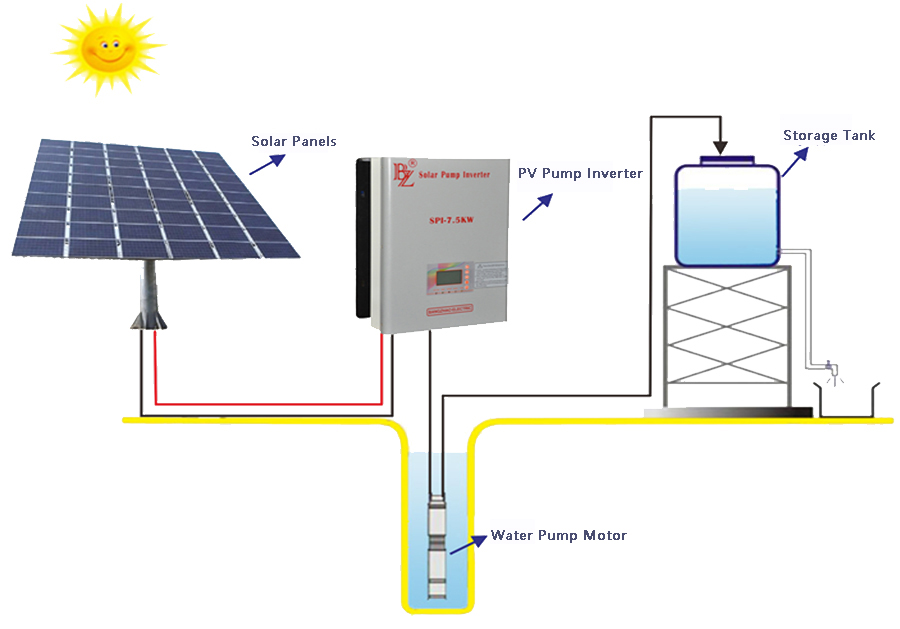
In today's fast-moving tech world, having the right gear is pretty much essential if you want your business to succeed. And one of the key players in many setups? The good old DC power supply. Over at Bangzhao Electric Co., Ltd., we’ve been around for a solid 10 years, always pushing out innovative solutions to match all kinds of customer needs. We’ve got expertise in lithium battery storage systems, bi-directional energy storage, and a variety of inverters. We totally get how crucial a reliable DC power supply is to keeping your operations running smoothly, so we want to share with you the 10 must-know facts about it. With a bit of good info, you’ll be able to make smarter choices—boosting efficiency, trustworthiness, and overall performance—so your energy needs are covered without a hitch.
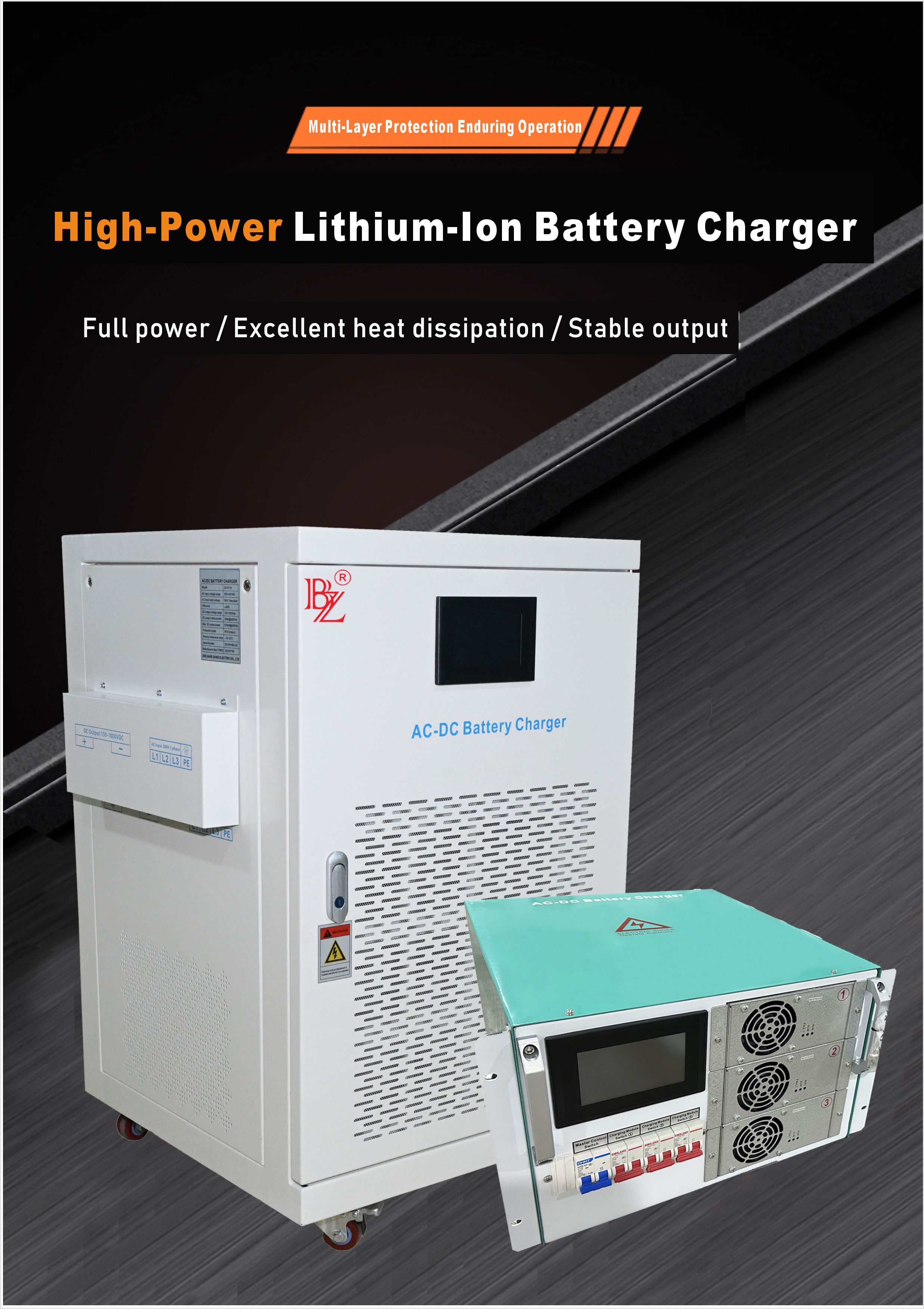
Key Specifications to Evaluate When Choosing a DC Power Supply for Your Business
When you're picking out a DC power supply for your business, it’s super important to think about a few key specs that really impact performance and efficiency. First off, you wanna look at the output voltage and current you need. Depending on what you're powering, the power supply should give a steady voltage while being able to handle different current loads. That way, your gear runs smoothly and you avoid any interruptions or power hiccups.
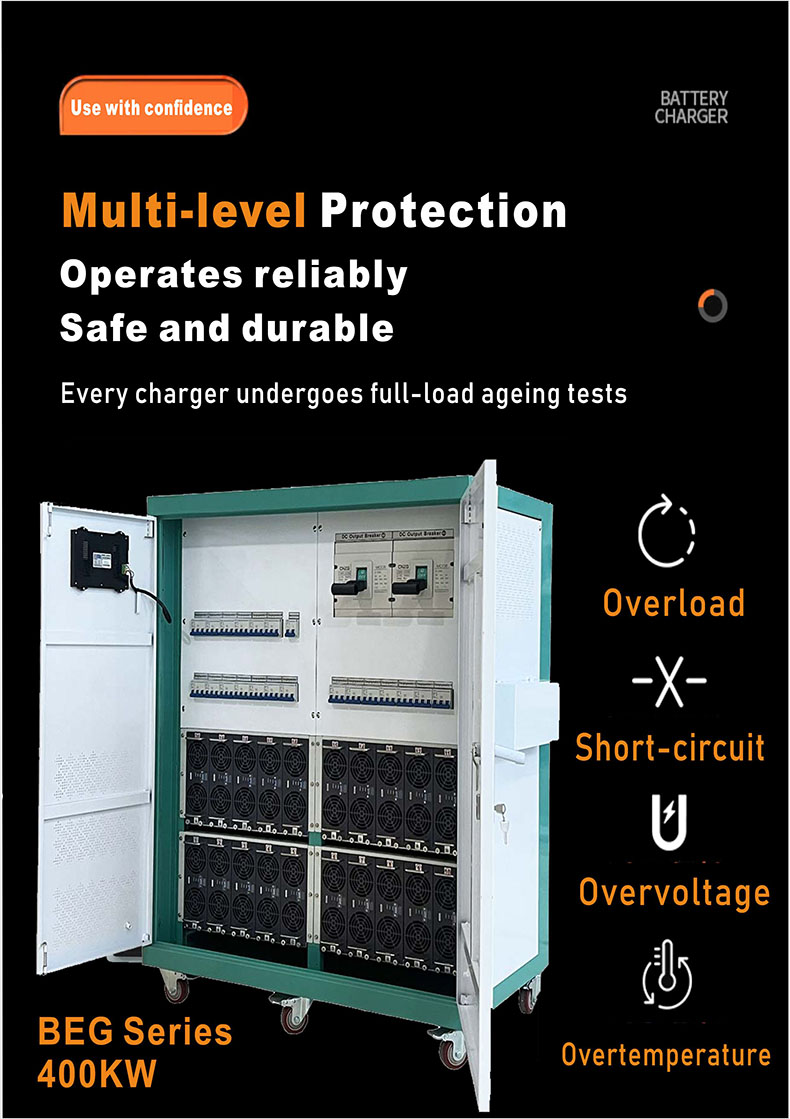
Another thing to check out is load regulation and ripple voltage. Load regulation is all about how well the power supply keeps the voltage steady when the load changes, and ripple voltage is basically tiny fluctuations in the DC output. For sensitive electronics, low ripple voltage is a must ‘cause they need a stable power source to work their best. Also, don’t forget to peek at the efficiency rating—it can save you some energy costs and keep things cool by reducing heat.
When you take these specs into account, you'll be more confident in choosing a DC power supply that really fits your business’s specific needs.
The Importance of Efficiency Ratings in DC Power Supplies: Understanding Efficiency Standards
When you're choosing DC power supplies for your business, understanding efficiency ratings really matters. These ratings can have a big impact on how well your equipment performs and how much you end up spending on energy. Basically, knowing how a power supply converts AC power into DC — and how efficiently it does so — can save you both money and headaches. The higher the efficiency, the less energy it wastes and the less heat it produces, which is a pretty sweet deal. You’ve probably heard of the 80 Plus certification; it’s kind of the most common standard folks look for. It sorts power supplies based on their efficiency at different loads, so you know exactly what you’re getting. Going for a power supply that hits those 80 Plus standards isn’t just good for the environment — it can also help cut down your electricity bills and boost your business’s sustainability game.
These days, especially with the rise of sectors like electric vehicle charging stations, the focus on reliable, efficient power supplies is really taking off. People are now doing detailed efficiency testing, like DC-DC efficiency tests, to make sure their equipment isn’t just performing well but is also super dependable for crucial applications. It’s all about ensuring quality and performance—things that really matter if you want to stay competitive in today’s fast-changing market. Investing in high-efficiency power supplies isn’t just a nice-to-have anymore; it’s starting to feel like a must-do for any business serious about staying ahead of the curve.
Comparative Analysis: Linear vs. Switching Power Supplies for Business Applications
When you're choosing a power supply for your business, it's pretty important to get a handle on the differences between linear and switching power supplies. Basically, linear power supplies tend to have a simpler design and produce a cleaner, quieter output — which makes them perfect for sensitive electronics that can’t handle much noise. That said, they’re usually bulkier and less efficient, so they generate more heat and take up more space. On the flip side, switching power supplies are smaller, more efficient, and versatile — these guys can handle high-frequency conversions easily, making them a solid choice for many applications. Plus, their efficiency can really add up in the long run, especially when saving energy and planning for future growth are important for your biz.
So, when you’re figuring out which power supply to go with, think about what exactly your equipment needs. If you need super precise power with minimal ripple, a linear power supply might be your best bet. But if space, energy savings, and scalability are more critical, then investing in a good quality Switching Power Supply is probably the way to go. Also, don’t forget to think ahead — pick a power supply that can grow with your business.
Here at Bangzhao Electric Co., Ltd., we’ve got some pretty awesome solutions like lithium battery storage systems and bi-directional energy storage power supplies that can be tailored to what your operation needs. Honestly, choosing the right power supply isn’t just about the specs — it’s a key part of keeping your business running smoothly and reliably.
Comparison of Linear vs. Switching Power Supplies
Common Safety Standards and Certifications for DC Power Supplies: What You Need to Know
When you're choosing DC power supplies for your business, it's super important to keep safety standards and certifications in mind. These certifications really help ensure that the products are reliable and safe for everyone using them. For example, understanding international standards like ISO can help you pick power supplies that meet global quality benchmarks. Plus, local certifications—like KC certification in Korea—give you extra confidence that the product complies with regional safety rules and minimizes any risks with electrical gear.
Now, in the world of new tech, you’ve probably seen these tiny, energy-efficient Remote Terminal Units (RTUs). They’re pretty neat because they come with their own power source, which reduces the chances of electrical issues or inefficiencies. But here’s the thing: keeping up with safety standards isn’t always easy, especially with standards evolving all the time. Take IEC 62368-1, for example—it's just one of those standards that shows how quickly tech is moving and how important it is to stay on top of safety regulations. All in all, choosing certified DC power supplies isn’t just about ticking boxes; it’s a smart move to keep your operations safe and running smoothly, even as things change.
Hope that helped clear things up!
How to Calculate the Right Voltage and Current Requirements for Your Business Power Needs
When you're trying to pick the best DC power supply for your business, it’s really important to understand how to figure out the right voltage and current you’ll need. Honestly, it’s a good starting point to look at all the devices and systems you plan to power up. Usually, each device will have its own voltage and current specs — you can usually find those details in the tech specs or user manuals. It’s a smart move to make a list of all this equipment with their individual requirements, so you don’t end up underpowering or overloading anything.
Once you have that info, figuring out the total voltage and current isn’t too bad. For parallel loads, just add up all the currents; for series ones, go with the highest current rating. Doing this math helps you pick a power supply that can handle everything smoothly without sacrificing performance. And hey, it’s also a good idea to leave some breathing room — maybe add a bit of margin to cover future upgrades or unexpected demands. Bottom line is, by doing these calculations right, your business can keep things running reliably and efficiently without any headaches.
10 Essential Facts About the Best DC Power Supplies for Your Business Needs
| Fact No. | Description | Voltage Range (V) | Current Range (A) | Efficiency (%) |
| 1 | Reliable DC power supplies can significantly reduce downtime. | 1-30 | 0.1-10 | 85-90 |
| 2 | Load regulation is crucial for maintaining output stability. | 5-60 | 0.5-50 | 90-95 |
| 3 | Short circuit protection is essential for safety. | 2-40 | 1-20 | 88-92 |
| 4 | Temperature coefficient affects performance over time. | 3-50 | 0.2-15 | 85-91 |
| 5 | Digital interfaces enable easy monitoring and adjustment. | 4-70 | 0.5-25 | 90-93 |
The Role of Digital Control in Modern DC Power Supplies: Enhancing Performance and Monitoring
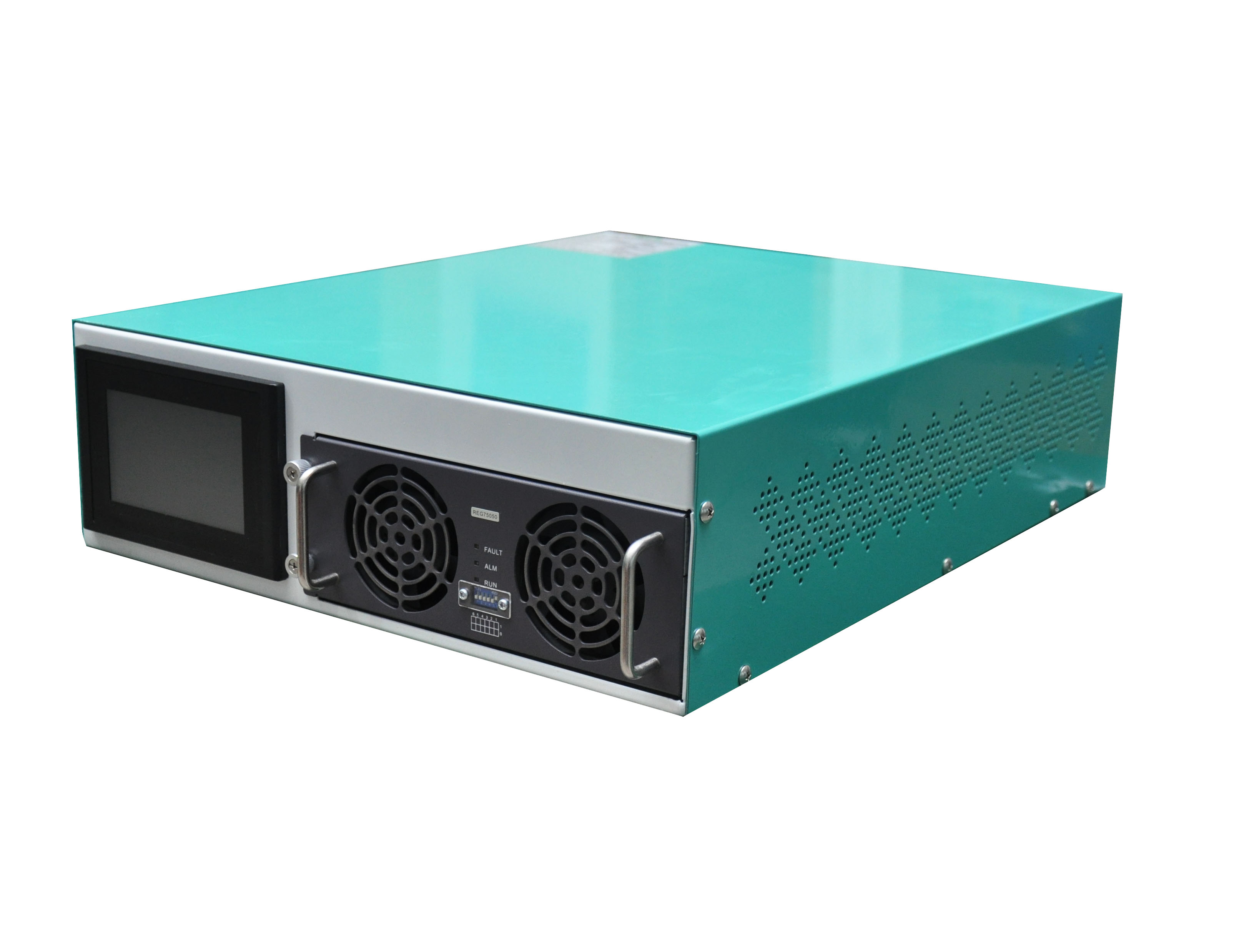 Digital control tech has really changed the game when it comes to DC power supplies. Not only does it boost performance, but it also makes monitoring a lot easier. I recently came across a report from the International Power Supply Association that said switching to digital control can boost efficiency by up to 15% compared to older, analog setups. That’s pretty significant—especially for businesses wanting to cut down on energy costs and be more eco-friendly. So, honestly, going digital isn’t just about upgrading tech; it's a smart move for the future.
And there’s more to it. Digital systems let you keep an eye on your power supply in real time and run diagnostics easily. Data from Electrical Reliability Services shows that companies using these advanced monitoring tools end up with about 30% less downtime. How? Through predictive maintenance — catching potential issues before they turn into costly problems. As this technology keeps advancing, we’ll see more customization options for different applications, which means better adaptability and reliability in our rapidly changing tech world. It’s pretty exciting stuff!
Maximizing Efficiency: A Deep Dive into Power Phase Converters with AC-DC-AC Technology
In today's rapidly evolving industrial landscape, maximizing efficiency is crucial for maintaining a competitive edge. The introduction of Power Phase Converters utilizing AC-DC-AC technology has revolutionized how industries convert power effectively. A pertinent example can be seen in Bangzhao Electric's BZT series, which leverages an innovative AC-DC-AC circuit structure to transform single-phase voltage into robust industrial three-phase voltage. This capability is essential, particularly given that up to 70% of industrial processes rely on three-phase power systems, according to industry reports from the IEEE.
Bangzhao's BZT series is powered by the US TI DSP28335 microprocessor, paired with the cutting-edge Liuling IPM intelligent module, ensuring not only a long operational life but also reduced maintenance requirements. Dual closed-loop control system integrated within the converters provides exquisite control and stability, with fast response times that boost overall system performance. Research from the International Energy Agency highlights that minimizing losses during power conversion can lead to energy savings of up to 30%, underscoring the importance of systems like the BZT series in significantly enhancing operational efficiency.
With single-unit capacities reaching up to 500kW, these advanced converters are particularly appealing for industries demanding high efficiency and reliability. The inherent protection features guarantee robust operation even under fluctuating load conditions, which is vital for maintaining uptime and preventing productivity losses. As industries continue to seek sustainable and efficient solutions, the role of advanced power phase converters like those from Bangzhao Electric will undoubtedly expand, supporting the trend towards smarter and more efficient industrial applications.
FAQS
: When choosing a DC power supply, consider output voltage and current requirements, load regulation, ripple voltage, and efficiency rating. These factors are crucial for ensuring consistent performance and minimizing energy costs.
Load regulation measures how well the power supply maintains output voltage as the load changes. It is important to ensure that equipment operates smoothly without interruptions or power-related issues.
Ripple voltage refers to the variations in DC output. Low ripple voltage is essential for sensitive electronic devices that require a stable power source to function optimally.
Linear power supplies offer a simpler design and cleaner output, making them suitable for sensitive equipment. In contrast, switching power supplies are more compact and efficient, making them better for various applications where energy savings and scalability are important.
A linear power supply is preferable for applications that require high precision and low ripple voltage, especially in sensitive electronic devices.
You should evaluate specific power requirements, heat generation, space, and potential future scalability to ensure the power supply meets your business's unique demands.
A higher efficiency rating can significantly reduce energy costs and heat generation, which is essential for maintaining sustainable operations.
Bangzhao Electric Co., Ltd. offers solutions such as lithium battery storage systems and bi-directional energy storage power supplies tailored to operational needs.
Considering future scalability ensures that your power supply can accommodate potential growth and changes in your business's power demands.
Conclusion
You know, in today's business world, picking the right DC power supply is a pretty big deal. It’s all about making sure your energy systems run smoothly and reliably. When you're shopping around, you'll want to pay close attention to the specs—things like voltage, current, efficiency, and safety standards—to make sure everything fits your unique needs. Oh, and knowing the difference between linear and switching power supplies can really make a difference in how efficiently things run on your end.
Plus, modern DC power supplies often come with digital controls, which boost performance and make monitoring a whole lot easier—it's like getting a bit more tech-savvy in your energy management! Here at Bangzhao Electric Co., Ltd., with over 10 years under our belt, we’re all about providing top-notch solutions, including DC power supplies, to help your business stay efficient and safe when it comes to energy use. We get it—it's about making things work better for you.