In today's fast-paced energy world, getting the most out of your operations really matters—especially when you're working with tools like Static Frequency Converters (or SFCs, for short). I mean, there’s actually a recent industry report that shows using SFCs can boost energy efficiency by up to 30%. That’s a pretty big deal because it means slashing operational costs and cutting down on waste. No joke. As companies look for smarter ways to optimize their energy setups, it becomes super important to really understand how to get the most from SFCs. Here at Bangzhao Electric Co., Ltd., we've got over ten years of experience—working with all sorts of tech like lithium battery storage systems and pure sine wave inverters. We see a lot of potential in SFCs to make operations smoother and more efficient. So, in this blog, I want to share 18 practical tips that can help your organization really maximize how well your SFCs work—leading to better performance and a more sustainable future.
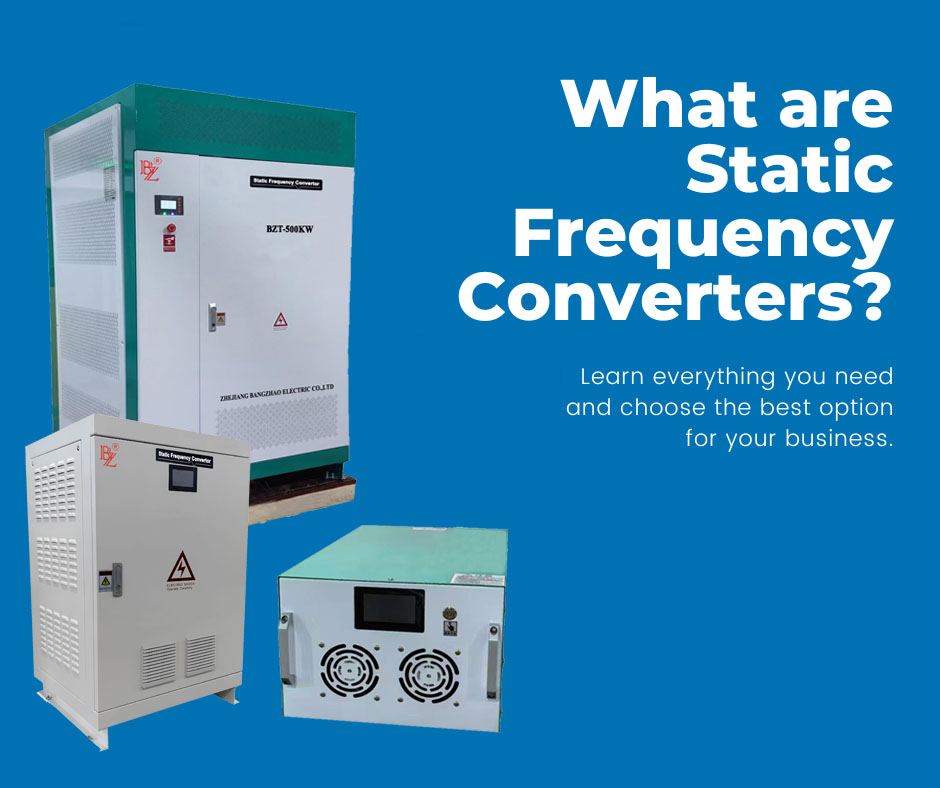
Understanding Static Frequency Converters: A Key to Operational Efficiency
Getting a solid grasp on Static Frequency Converters (SFCs) is really important if you want to keep things running smoothly in different industries. Especially now, with the global shore power market booming — it’s expected to hit around $3.69 billion by 2032. Basically, SFCs help convert power from one frequency to another, which is huge for stuff like train electrification and electric vehicles. When you make the most of these converters, your company can boost energy efficiency, cut down on costs, and even support sustainability efforts.
If you’re looking to get the most out of your SFCs, here are a few tips that might help. First off, don’t forget to do regular performance checks — this way, you can catch any inefficiencies early on and keep everything running smoothly. A little routine maintenance can go a long way in extending the lifespan of your converters and making sure they stay reliable. Next, try mixing in renewable energy sources alongside your SFCs — it’s a great way to tap into cleaner energy and manage your energy use better, while also reducing your dependence on fossil fuels. And lastly, spend some time training your team on how these converters work and their quirks. Good training usually leads to smarter decisions in daily operations, meaning your converters will perform better in real-world situations."
,changes: [
{

Optimize Your Equipment: Choosing the Right Static Frequency Converter
When you're trying to boost operational efficiency with Static Frequency Converters (SFCs), picking the right one really matters. You’ve gotta understand what your equipment needs—like the types of loads you're dealing with and the quality of power required—so you can choose a model that actually enhances performance. Industry reports have shown that if you match your frequency converter poorly, it can lead to all sorts of issues—more wear and tear on your gear, higher costs, and generally less efficiency. For example, using the wrong converter could cut your energy efficiency by up to 20%, which is pretty huge, especially with electricity prices climbing and the push for greener operations.
And speaking of going green, there's definitely a growing demand for SFCs that support eco-friendly practices. For instance, in the maritime world, shifting to low-sulfur propulsion systems to meet strict regulations isn’t cheap—ship owners are often paying 50% or more extra for low-sulfur fuel compared to the old heavy fuel oil. But the good news is, with the right, efficient SFC solutions that optimize power usage and boost reliability, businesses can not only cut costs but also stay compliant with regulations and do their part for the environment. It really emphasizes how important it is to do your homework and make smart, informed choices when bringing SFC tech into your operations.
Installation Best Practices for Static Frequency Converters in Operations
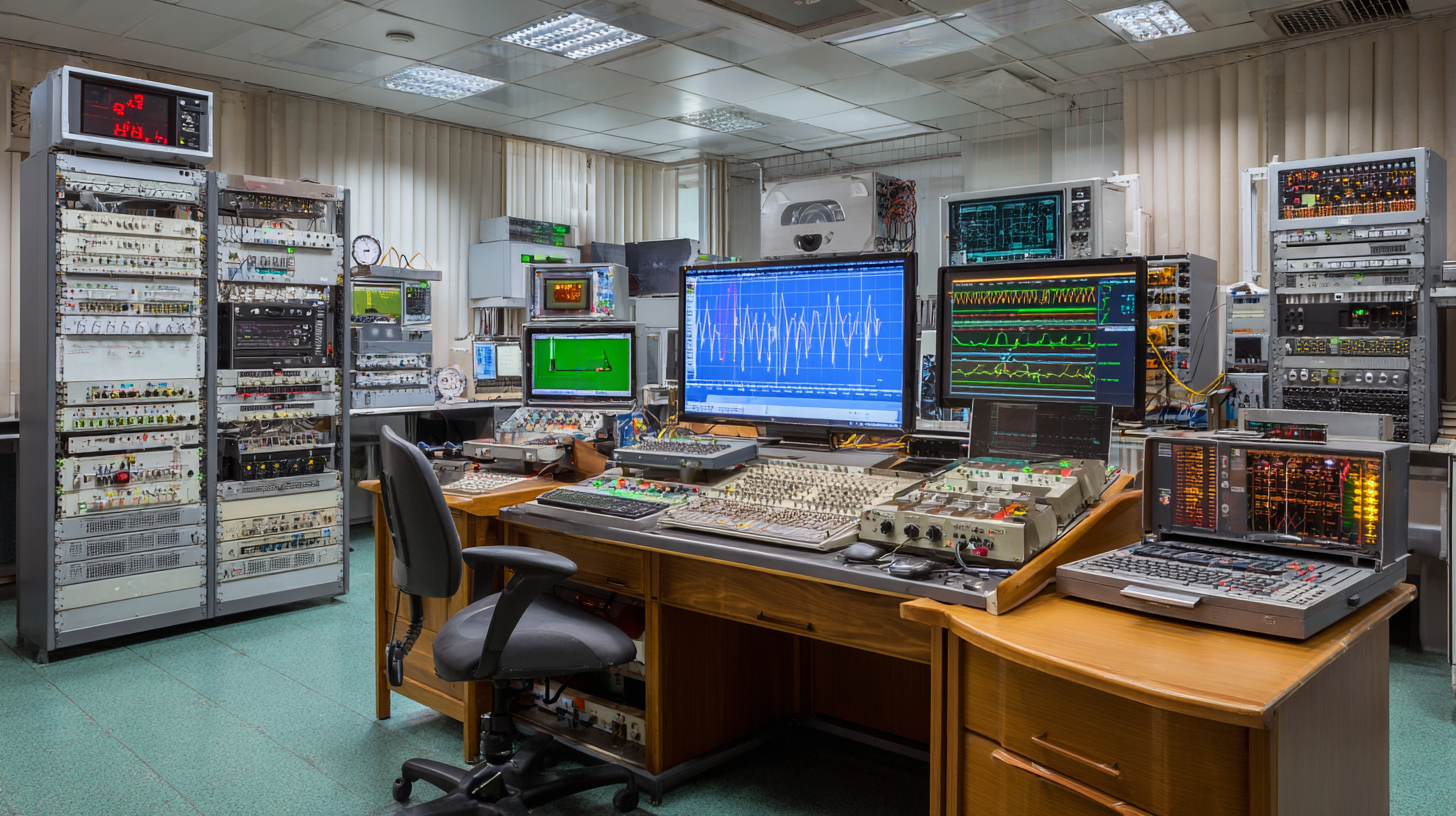 Static Frequency Converters, or SFCs for short, really are a big deal when it comes to boosting efficiency, especially in marine and industrial setups. If you're about to install one, it's super important to follow some best practices to get the best bang for your buck. First off, doing a proper site check is key—think about looking into the electrical hookups, what kind of load you're dealing with, and the environment where it'll sit. Trust me, ignoring this can cause trouble down the line. Also, don’t forget to set up solid grounding—it's not just about safety, it helps keep the whole system running smoothly and reliably.
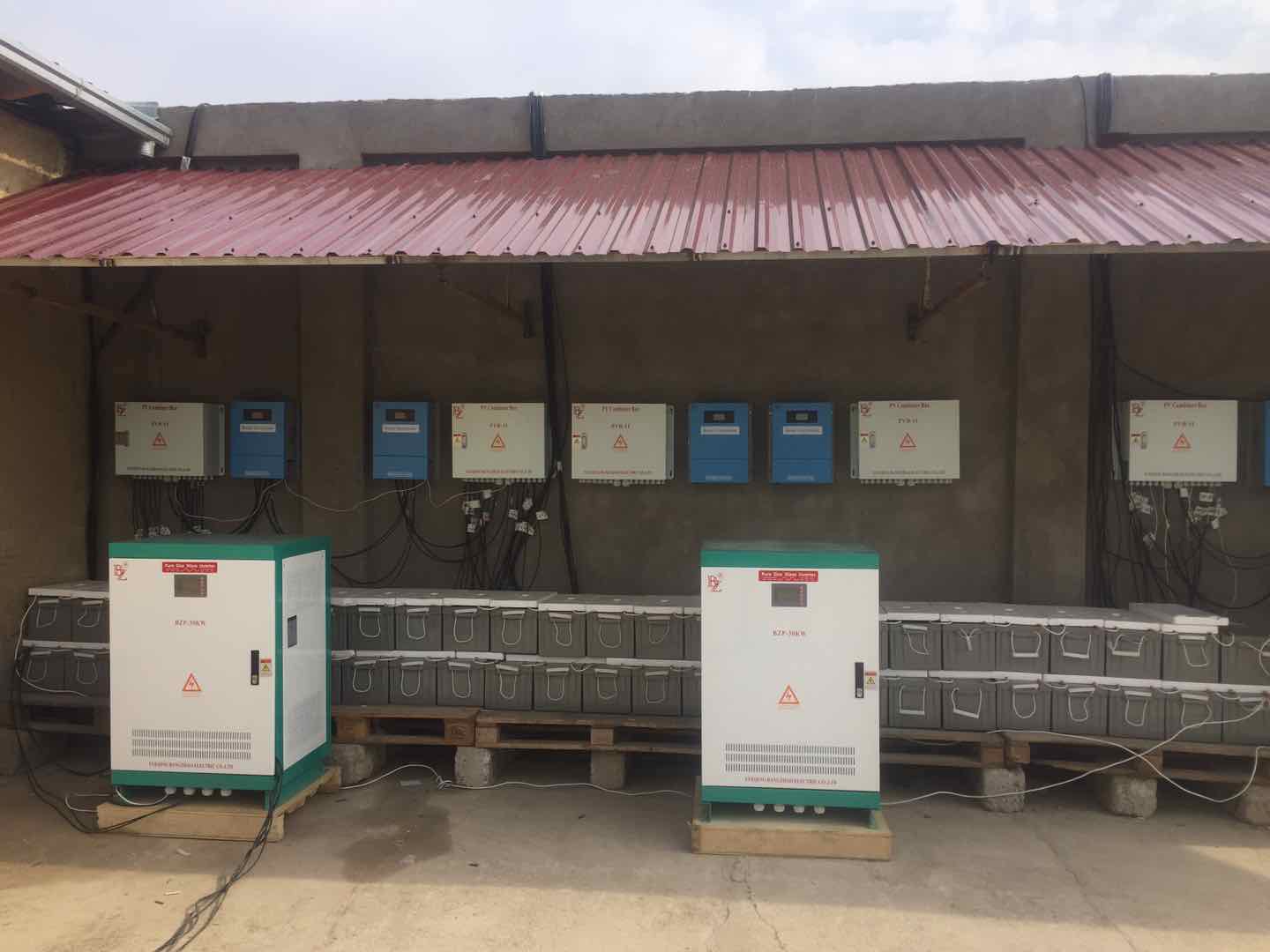
Another thing that can make a difference is using a good monitoring system during installation. It’ll give you real-time insights into how everything's performing, so you can catch and fix issues early on. Regular maintenance is also a must—keeps your converters humming along nicely. Companies like Bangzhao Electric Co., Ltd. highlight how tying in energy storage solutions with these converters can really help in managing power ups and downs more effectively. Bottom line? By sticking to these best practices when installing SFCs, really, you’ll unlock their full potential, leading to better productivity and efficiency across the board.
Routine Maintenance Tips for Long-Lasting Converter Performance
Keeping up with routine maintenance is really important if you want your Static Frequency Converters (SFCs) to last long and work reliably in whatever you're using them for. According to the folks over at the International Energy Agency, if you stay on top of maintenance, you could actually see energy efficiency improve by as much as 20%. Sticking to a regular maintenance schedule not only helps catch problems early but can also save you money by avoiding costly breakdowns and extending the life of your gear.
A good tip is to regularly check the converter’s cooling systems. Overheating is pretty common and can lead to your SFC failing sooner than it should. Just keeping an eye on the temperature and making sure fans and heat sinks are clean and unobstructed can make a big difference. Also, don’t forget to look out for any signs of electrical issues—things like frayed wires or loose connections. These little problems might seem minor, but they can really mess with performance if you ignore them.
Another thing that’s super important is to keep your software and firmware up to date. Manufacturers often roll out updates that improve how the converter works and boost security. Make it a habit to check for updates regularly and install them whenever they’re available. Following these simple maintenance practices means your SFCs will run smoother, stay reliable longer, and you’ll probably save a lot of hassle down the line with unexpected downtimes or repairs.
18 Tips to Maximize Efficiency with Static Frequency Converters for Your Operations - Routine Maintenance Tips for Long-Lasting Converter Performance
| Tip Number | Maintenance Tip | Frequency | Expected Benefit |
| 1 | Check for Loose Connections | Monthly | Improved reliability |
| 2 | Clean Dust and Debris Accumulation | Bi-Monthly | Better cooling efficiency |
| 3 | Inspect Fans and Filters | Quarterly | Prevent overheating |
| 4 | Check Input Voltage | Monthly | Ensure stable operation |
| 5 | Inspect for Overheating | Monthly | Extended component life |
| 6 | Evaluate Output Voltage | Monthly | Optimal equipment performance |
| 7 | Update Firmware and Software | Annually | Improved features and security |
| 8 | Conduct Functional Testing | Semi-Annually | Early fault detection |
| 9 | Inspect Cables and Wiring | Quarterly | Prevention of short circuits |
| 10 | Monitor Load Conditions | Monthly | Efficient energy use |
| 11 | Review System Settings | Quarterly | Optimal performance |
| 12 | Inspect Heat Sinks | Bi-Monthly | Enhanced thermal management |
| 13 | Check Protective Circuitry | Quarterly | Prevention of damage |
| 14 | Assess Environmental Conditions | Annually | Suitability for equipment |
| 15 | Review Operation Logs | Monthly | Identify trends and issues |
| 16 | Consult Manufacturer Guidelines | Annually | Stay updated on best practices |
| 17 | Train Staff on Proper Procedures | Annually | Reduce operator error |
| 18 | Plan for Spare Parts Inventory | Bi-Annually | Minimize downtime |
Maximizing Energy Savings with Smart Frequency Converter Solutions
When it comes to boosting energy savings, smart frequency converter solutions can really make a difference—especially in industries that rely on renewable energy. By combining advanced tech, like hybrid predictive control and adaptive Perturb and Observe (P&O) methods, we see a noticeable boost in how efficiently photovoltaic systems track their maximum power point (MPPT). Studies show that fine-tuning MPPT strategies not only improves power stability but can also lead to pretty significant reductions in energy use—sometimes up to 30% if everything's set up right. Pretty impressive, right?
On top of that, designing and simulating renewable setups, like a 2.5 MW solar-wind hybrid plant, highlight how a combined approach to power management really pays off. Using machine learning tools—think K-means clustering and neural networks—can help microgrids run smoother, making scheduling way more efficient. These smart strategies don’t just save energy; they also push us closer to a greener, more sustainable energy future. So, by embracing these tech-forward solutions and improving how everything integrates, industries can actually achieve some serious energy savings while also boosting their overall performance. It’s pretty exciting stuff!
Integrating Static Frequency Converters into Existing Systems for Enhanced Productivity
You know, bringing Static Frequency Converters (SFCs) into your existing setup can really give your operations a boost. I read somewhere—actually, a report from MarketsandMarkets—that the global market for these converters is expected to jump from around USD 3.2 billion in 2021 to about USD 4.6 billion by 2026. The main drivers? People are really pushing for energy efficiency and trying to cut down operational costs. If you weave SFCs into your systems thoughtfully, you'll probably notice a much smoother power flow, less downtime, and even your equipment lasting longer—definitely a win for overall efficiency!
A quick tip I’d mention is to check if your current setup can handle the SFCs you’re thinking of adding. It’s smart to do a thorough review of your existing system to spot any potential hiccups beforehand. Oh, and sizing matters a lot—make sure the SFCs match the power requirements of your gear; if they’re off, performance can really suffer. In fact, the IEEE says that misconfigured SFCs can cause energy losses of about 10-15%, so getting it right really pays off.
And don't forget, keeping things well-maintained and regularly monitored makes a huge difference. Setting up a good monitoring system lets your team keep an eye on performance, catch issues early, and make tweaks on the fly. Overall, by following these simple tips, not only will your productivity improve, but you'll also be moving towards a more sustainable way of running things—long-term, that is.
Maximizing Efficiency with Static Frequency Converters
Maximizing Marine Efficiency: Insights from Data on Shore to Ship Power Voltage Converters for Optimized 3 Phase to Single Phase Transition
Maximizing Marine Efficiency: Insights from Data on Shore to Ship power voltage converters for Optimized 3 Phase to Single Phase Transition
In today's maritime industry, the ability to efficiently convert shore power to meet shipboard electrical demands is crucial. During port operations or berthing, vessels rely heavily on shore-to-ship Power Converters to ensure that their essential equipment functions seamlessly. The transition from three-phase shore power to single-phase systems on ships requires precision and reliability to prevent operational disruptions and enhance energy efficiency.
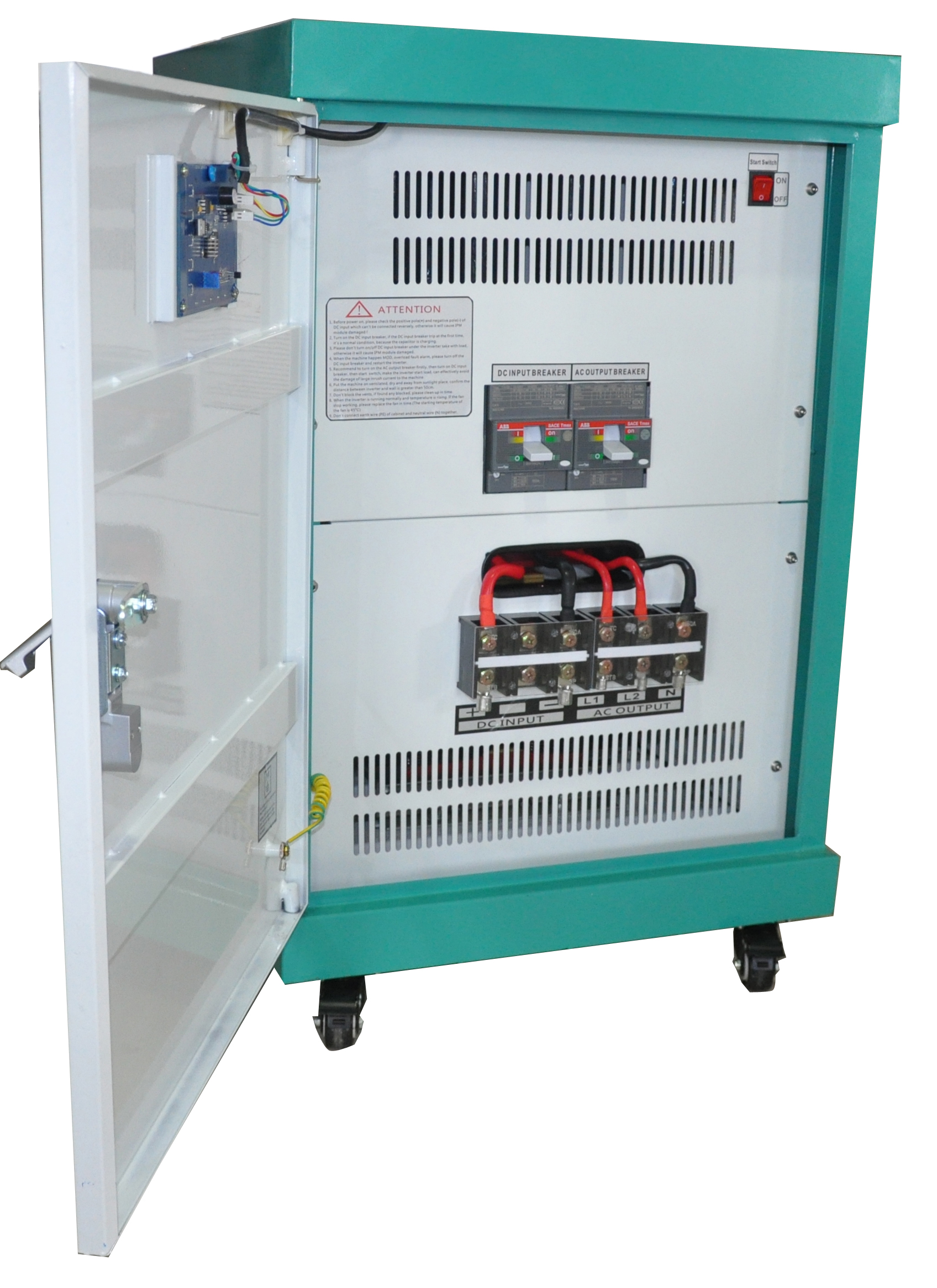
Our meticulously engineered outdoor shore-to-ship power converter is purpose-built to address these challenges. With its robust design and outstanding performance, this converter facilitates a smooth transition, effectively managing the complexity of differing power requirements. Its dependable quality not only aligns with international marine standards but also significantly minimizes the risk of power interruptions, contributing to a safer and more efficient operation. By leveraging advanced technology, our solution empowers maritime operators to optimize their energy consumption, thereby enhancing their operational capabilities while minimizing environmental impact.
FAQS
: A Static Frequency Converter (SFC) is a device that converts electrical power from one frequency to another, improving operational efficiency in various applications, especially in marine and industrial settings.
Selecting the right SFC model is crucial because an improperly matched converter can lead to inefficiencies, increased wear on equipment, and higher operational costs, potentially decreasing energy efficiency by up to 20%.
SFCs contribute to eco-friendly practices by optimizing power usage, enhancing system reliability, and helping businesses comply with regulations, such as the shift to low-sulfur fuels in maritime operations.
Best practices for SFC installation include conducting thorough site evaluations, assessing electrical connections and load requirements, implementing strong grounding techniques, and utilizing advanced monitoring systems.
Regular maintenance is essential to keep SFCs operating at peak performance, ensuring reliability and efficiency in their operations over time.
Integrating energy storage solutions with SFCs helps manage power fluctuations effectively, enhancing overall system performance and operational stability.
Ship owners can incur costs upward of 50% more for low-sulfur fuel compared to conventional heavy fuel oil, making the implementation of efficient SFC solutions critical in mitigating these expenses.
Failing to evaluate operational requirements can lead to selecting an unsuitable SFC, resulting in inefficiencies, equipment damage, and increased operational costs due to suboptimal performance.
Advanced monitoring systems can provide real-time insights into performance metrics during installation, allowing for proactive adjustments and ensuring optimal operation of the SFC.
SFCs play a key role in facilitating sustainable operations by optimizing energy consumption and aiding compliance with environmental regulations, thus supporting greener technology adoption.
Conclusion
Static Frequency Converters, or SFCs for short, are pretty essential when it comes to boosting efficiency across a bunch of different industries. Once you get a grip on how these things work, you can better decide how to optimize your equipment and pick the right converter tailored to your needs. Just a heads-up: proper installation and regular upkeep are key to keeping everything running smoothly and ensuring you get the most out of your energy savings with smart frequency converter solutions.
At Bangzhao Electric Co., Ltd., we’re all about helping you fit SFCs into your existing systems to crank up productivity. With over a decade of experience under our belt—covering everything from innovative energy storage solutions and bidirectional power supplies to pure sine wave inverters—we’re dedicated to helping our customers achieve top-notch operational performance through our smart, reliable SFC solutions.