Leave Your Message
0%

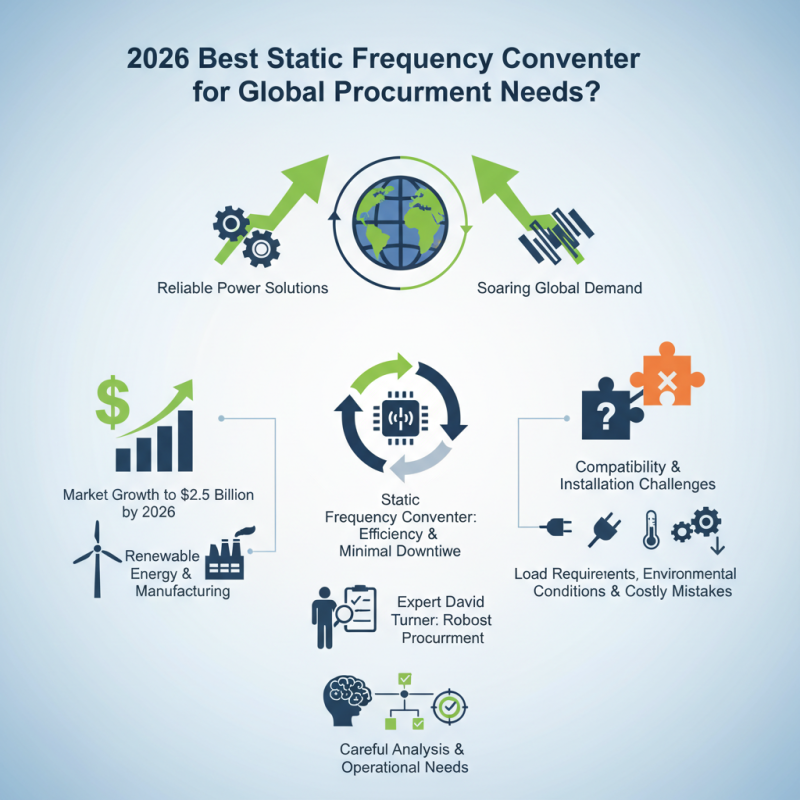
You know, the demand for reliable power solutions is just skyrocketing around the world these days. And in that context, the importance of a Static Frequency Converter has really grown. I came across a report from Global Market Insights that says this market could hit around $2.5 billion by 2026 — thanks to industries like renewable energy and manufacturing driving that growth. It just shows how vital these converters are for keeping equipment running smoothly and at their best.

I’ve also heard from folks like David Turner, a big name in power electronics, who says, “A Static Frequency Converter doesn’t just make things more efficient — it also helps reduce downtime,” which is a huge plus. His take really drives home the need for companies to have solid strategies when choosing these converters. That said, lots of businesses run into hurdles, especially when it comes to making sure everything’s compatible and figuring out how to get everything installed properly.

Getting a good grip on what Static Frequency Converters are all about — their specs and how they’re used — is super important. Things like load requirements and the environment where they’re going to be used really matter. Miss those details, and you could end up making a pretty costly mistake. So, picking the right converter isn’t just a quick decision; it’s all about analyzing your specific needs carefully and making an informed choice.
2026 Best Static Frequency Converter for Global Procurement Needs?

2026 Overview of Static Frequency Converters in Global Markets

In recent years, the global market for static frequency converters has shown significant growth. According to a report from MarketsandMarkets, the market size was valued at approximately $3.67 billion in 2021. Projections suggest it could reach $4.82 billion by 2026, with a CAGR of 5.4%. This indicates a robust demand, fueled by the increasing need for efficient power conversion in various industries.

Static frequency converters are widely used in sectors like renewable energy, aerospace, and industrial applications. These devices allow for consistent power supply and improved energy efficiency. Notably, innovations such as the Touchscreen Digital Variable Frequency Ultra-Low Frequency Generator have emerged. These technologies enhance user experience and operational efficiency. However, challenges remain. The initial investment cost can deter potential users, and outdated infrastructure in some regions adds complexity.

The competition in this market is intensifying. Emerging players are keen to offer advanced technologies at lower prices. Established vendors, while trusted, may find it hard to adapt. This dynamic creates an environment for continuous improvement and innovation. Stakeholders must remain vigilant. Monitoring trends and shifts in consumer demand will be crucial as the landscape evolves towards 2026.

Key Applications of Static Frequency Converters in Various Industries

Static frequency converters play a crucial role in various industries. They convert power supply frequencies, ensuring machinery operates efficiently. The use of static frequency converters is particularly common in industries like marine, aerospace, and manufacturing.

In the aerospace sector, these converters are vital. They help power aircraft ground support equipment, enabling safe and timely operations. Reports indicate that the global aerospace industry is projected to grow by 4.5% annually. As demand increases, the need for reliable Power Frequency Converters becomes essential.

Manufacturing plants also benefit. The equipment in factories often requires specific frequencies to function correctly. Research shows that 58% of manufacturing firms report efficiency improvements after installing static frequency converters. However, challenges remain. Some converters struggle under high loads, leading to reliability concerns. This highlights the need for ongoing innovation and research in the field.

Technical Specifications: What Defines the Best Static Frequency Converters?

Choosing the best Static Frequency Converter involves understanding core technical specifications. Efficiency is paramount. Look for devices with high-efficiency ratings that minimize energy loss. This can lead to significant cost savings over time.

Voltage compatibility is crucial. Make sure the converter supports a wide voltage range for various applications. A unit with adjustable output frequencies can enhance flexibility. This feature is vital for machinery requiring specific operational frequencies.

Tip: Review the manufacturer's guidelines. They often list compatibility and performance features in detail.

Pay attention to the cooling mechanisms. Overheating can reduce lifespan and efficiency. Units with built-in cooling systems perform better in demanding environments. Durability matters, so check for materials that withstand harsh conditions.

Tip: Invest in units with robust enclosures to protect from dust and moisture.

Regular maintenance can also affect performance. Static Frequency Converters require inspections to ensure optimal functioning. Adhering to maintenance schedules can prolong longevity. Be mindful of warning signs, such as unusual noises or overheating. This reflects a need for timely repairs.

Tip: Keep a log of maintenance activities. This will help track performance and identify recurring issues.

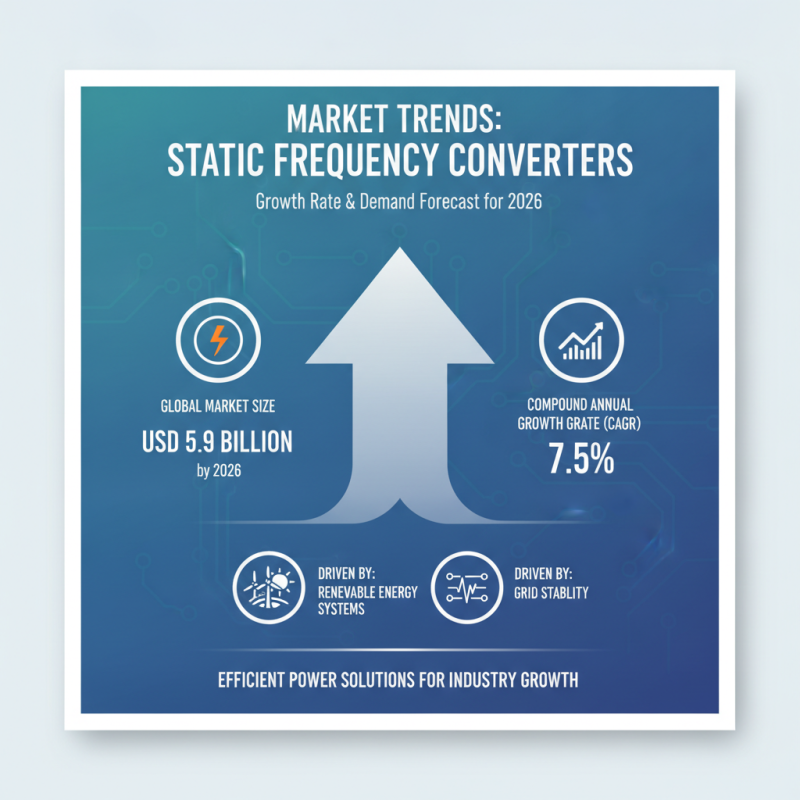
Market Trends: Growth Rate and Demand Forecast for 2026

2026 Best Static Frequency Converter for Global Procurement Needs?

The static frequency converter market is witnessing significant growth as industries increasingly seek efficient power solutions. According to a recent industry report, the global static frequency converter market is projected to reach USD 5.9 billion by 2026, with a compound annual growth rate (CAGR) of 7.5%. This surge is driven by the rising demand for renewable energy systems and the need for grid stability.

As more sectors adopt advanced technologies, the demand for static frequency converters is rising. Particularly in renewable energy, converters ensure that power generated from wind and solar sources meets grid requirements. Industrial applications also play a crucial role in this trend. A report by Market Research Future highlights that the manufacturing sector is expected to contribute significantly to this demand, accounting for over 40% of total market revenue by 2026.

Despite the optimistic outlook, challenges remain. Some manufacturers struggle with ensuring product reliability and effectiveness under varying conditions. Adapting to different voltage requirements can complicate matters. Additionally, the supply chain disruptions caused by recent global events have forced companies to rethink their procurement strategies. These reflections are critical for firms looking to navigate this evolving market landscape.

Major Manufacturers of Static Frequency Converters and Their Innovations

The demand for static frequency converters is on the rise, driven by advancements in industries like renewable energy and telecommunications. Major manufacturers are innovating to improve efficiency and reliability. Notably, a recent industry report highlights a projected growth rate of 7.5% for static frequency converters through 2026. These devices play a pivotal role in ensuring equipment operates smoothly across different voltage and frequency levels.

Innovations in design and technology are crucial. Some manufacturers are focusing on compact designs to save space while enhancing performance. Others are adopting smart technology, enabling real-time monitoring and diagnostics. This shift toward digital solutions not only boosts efficiency but also helps reduce downtime. However, some newly introduced technologies may not fully meet all specific operational demands, indicating a need for careful integration.

Tips: When selecting a static frequency converter, consider the specific requirements of your application. Ensure the converter can handle your equipment's power demands. Regular maintenance checks are essential to keep your equipment running optimally. Pay attention to manufacturer support and service, as these can significantly impact the reliability of your operations.

2026 Best Static Frequency Converter for Global Procurement Needs

Manufacturer Power Range (kVA) Input Voltage (V) Output Frequency (Hz) Efficiency (%) Key Innovations
Manufacturer A 10 - 500 230/400 50/60 94 Compact Design, Digital Control System
Manufacturer B 50 - 1000 380/480 50, 60 95 Modular Design, High Surge Capacity
Manufacturer C 25 - 200 220/380 50 92 Advanced Cooling, Integrated Monitoring
Manufacturer D 100 - 2000 400/690 60 97 Smart Grid Compatible, Flexible Configuration
Manufacturer E 1 - 50 120/240 50 90 Portable, Lightweight Design

Cost Analysis: Pricing Trends for Static Frequency Converters in 2026

In 2026, the landscape for static frequency converters is shifting. Recent market research identifies a clear upward trend in pricing. The average cost of these devices has increased by 15% compared to 2025. This rise is influenced by ongoing supply chain disruptions and higher raw material costs. Manufacturers must adapt to these changes to remain competitive.

Static frequency converters, often essential for industrial processes, face varying demand across sectors. Reports indicate that utilities and renewable energy industries will heavily drive growth. Understanding these dynamics is critical for global procurement strategies. Analysis shows that procurement needs vary widely, leading to inconsistent pricing trends for Frequency And Voltage Converters.

Regional differences in availability further complicate the market. In North America, the demand for high-frequency converters is soaring. Meanwhile, Asia-Pacific regions show more stable pricing. This inconsistency can challenge procurement professionals. They must carefully assess local markets and negotiate effectively to secure the best deals on static frequency converters.

2026 Static Frequency Converter Pricing Trends

This chart displays the projected pricing trends for static frequency converters in 2026. As seen, the average prices are expected to fluctuate throughout the year, influenced by various market factors.

Challenges in Global Procurement of Static Frequency Converters

The global procurement of static frequency converters faces unique challenges. Different regions have varying standards and specifications. These discrepancies complicate the purchasing process. Buyers often struggle to find equipment that meets both local and international standards. This inconsistency can lead to delays in projects, impacting timelines significantly.

Additionally, logistical issues arise when sourcing these converters. Transportation of heavy and bulky equipment poses risks. Damage during transit can lead to costly repairs. Suppliers must invest in robust packaging solutions, which may increase costs. Furthermore, delays at customs can hinder timely delivery. These issues require careful planning and proactive communication among stakeholders.

Another challenge is the rapid pace of technological advancement. Buyers must stay updated with the latest innovations. This constant evolution can make it difficult to determine the right solution. Decision-makers may feel overwhelmed by choices. They need reliable information to avoid costly mistakes. Engaging with experienced professionals can help simplify this complex landscape.

Maximizing Marine Efficiency: Optimal Low Frequency Isolation Inverters for Small Boats from Chinese Suppliers

In the demanding domain of marine applications, achieving optimal efficiency through Low Frequency Isolation Inverters is crucial for ensuring reliable power supply on small boats. With the rising popularity of small vessels, the need for advanced inverter technology has never been more pronounced. Recent industry reports indicate that the global marine inverter market is projected to grow at a compound annual growth rate of approximately 5.8% from 2023 to 2030, driven by the increasing adoption of eco-friendly solutions and the growing number of recreational boating activities. It is essential for boat owners to invest in high-performance inverters that can withstand harsh marine environments.

The innovative use of low-frequency isolation technology in inverters significantly enhances their functionality. By incorporating a robust low-frequency transformer, these inverters provide physical separation between input and output. This design feature not only ensures a stable power supply but also enhances resistance to shocks and vibrations, which are commonplace in marine settings. A lightweight and compact design allows these inverters to fit seamlessly on vessels with limited space, making them an ideal choice for boat owners prioritizing both efficiency and reliability.

Moreover, the emphasis on energy efficiency in marine operations aligns with the growing emphasis on sustainability within the marine industry. Reports suggest that energy-efficient systems can reduce operational costs by up to 20%, providing significant long-term benefits for vessel owners. As the industry progresses towards more sustainable practices, the demand for reliable power solutions, such as low-frequency isolation inverters, continues to rise, making it imperative for suppliers to offer cutting-edge products designed for the marine sector. The integration of such technology not only enhances operational efficiency but also contributes to a more sustainable future for maritime activities.

FAQS

: What is the current market size of static frequency converters?

: The market size was approximately $3.67 billion in 2021.

What are the growth projections for this market by 2026?

It could reach $4.82 billion, with a CAGR of 5.4%.

In which industries are static frequency converters commonly used?

They are used in renewable energy, aerospace, and manufacturing sectors.

What are the benefits of using static frequency converters in aerospace?

They power ground support equipment, ensuring safe and timely aircraft operations.

How do static frequency converters improve manufacturing efficiency?

About 58% of firms reported efficiency improvements after installation.

What should be considered when choosing a static frequency converter?

Efficiency, voltage compatibility, and adjustable output frequencies are crucial factors.

Why is regular maintenance important for static frequency converters?

It prolongs lifespan and helps identify issues early, like unusual noises or overheating.

What cooling mechanisms should be sought in these converters?

Built-in cooling systems help prevent overheating and maintain performance.

How can pressure to innovate impact the static frequency converter market?

Emerging players challenge established vendors with advanced technologies at lower prices.

What common issues do static frequency converters face?

Some models struggle under high loads, affecting reliability and performance.

Conclusion

The article titled "2026 Best Static Frequency Converter for Global Procurement Needs?" provides a comprehensive overview of static frequency converters, highlighting their significance in various global markets. It explores key applications across different industries, underscoring how these devices facilitate efficient power management and frequency conversion. The piece delves into the technical specifications that define the best static frequency converters, emphasizing essential features and performance metrics.

Moreover, the article discusses market trends, including expected growth rates and demand forecasts for 2026, while addressing the challenges faced in the global procurement of static frequency converters. A cost analysis reveals pricing trends, offering insights into the economic dynamics influencing purchasing decisions. Overall, this article serves as an essential resource for stakeholders looking to navigate the evolving landscape of static frequency converters effectively.


Amelia

Amelia

Amelia is a dedicated marketing professional with over a decade of experience in the field of energy storage solutions. She is deeply knowledgeable about the company’s core offerings, which include cutting-edge lithium battery storage systems, bi-directional energy storage power supplies, pure sine......
Previous Why Do You Need a Solar Charge Controller for Your System?